
A City’s Violence Reaches Home
On the Come UpThis flow traces how neighborhood violence, police action, and the aftermath of unrest shape Brianna’s sense of safety and possibility.
increasing Bearing strength in each event
 decreasing
Bearing strength in each eventdecreasingThe Teenager Is Killed
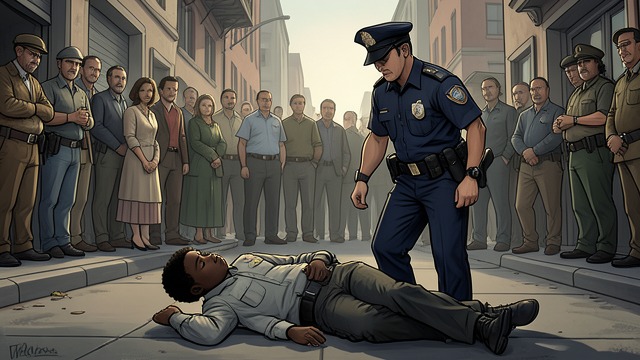
A Neighborhood Changed
An unarmed boy is killed
A police officer kills an unarmed teenager a few streets from Brianna’s grandparents’ home. A grand jury declines to charge the officer, leaving residents to see the decision as a denial of accountability.
Trust erodes
The event changes how Brianna understands police presence in Garden Heights. She fears that ordinary encounters can turn dangerous and that the community will be blamed for reacting to injustice.
The Riots Leave Ruins
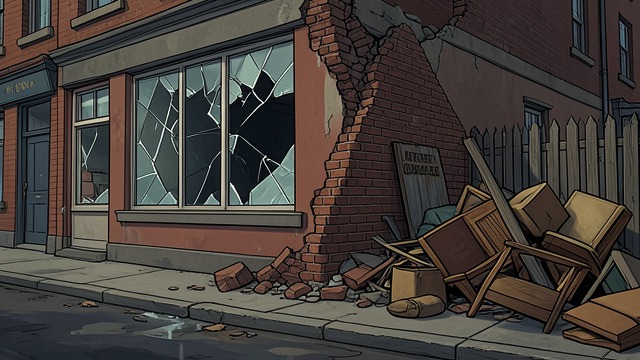
Damage That Remains
Businesses disappear
Protests and riots follow the decision not to charge the officer. Some businesses burn or are looted, while others are damaged in the unrest.
The neighborhood lives with it
Clover Street remains lined with rubble and boarded buildings. Brianna sees the destruction as a continuing condition, not a completed event, and connects it to her family’s shrinking options.
Security Becomes Normal
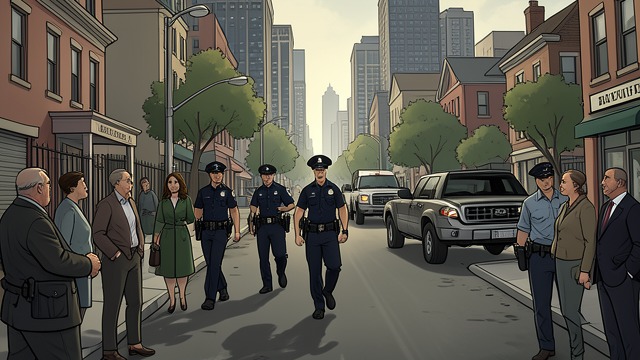
The Watchful City
Police are everywhere
Police patrol Garden Heights after the unrest, presenting their presence as reassurance while residents experience it as surveillance. Brianna sees the contradiction between promises of safety and the fear that police may treat them as threats.
School repeats the pattern
Midtown’s searches and security measures echo the neighborhood’s wider suspicion. Brianna begins to feel that there is no place where she can simply exist without being assessed.
An Uprising at School
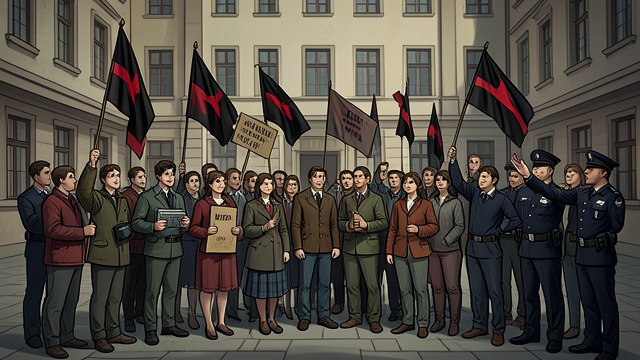
Anger Becomes Visible
Students gather
Black and Latinx students protest after Long and Tate return to Midtown. Brianna’s lyrics become part of the crowd’s expression of frustration.
Violence redirects attention
The assault on the guards lets public coverage center the attack rather than the pattern of mistreatment. The school responds with more armed officers, reinforcing the sense that resistance will be treated as a security threat.
The School Becomes a Prison
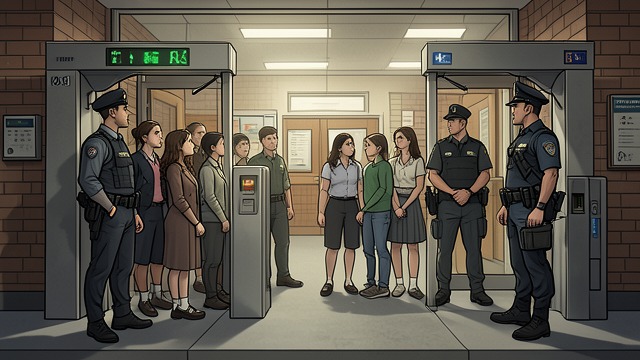
Security After the Riot
Armed officers take posts
Brianna returns to Midtown and sees police officers carrying guns at the entrance. The metal detectors now feel like a boundary between school and prison.
A lasting cost
The added security does not answer the students’ complaints about unequal treatment. Instead, it makes the possibility of force more visible and deepens Brianna’s fear every time she enters school.
The year before the main story
In the weeks after the police shooting
During the school year before Brianna is searched
The morning of the student uprising
The first school day after the new officers arrive
